

Most people grow up believing that 8 hours of sleep is the gold standard. It sounds simple; sleep for eight hours, wake up refreshed, and take on the day. But here’s the catch: sleep duration only tells you how long you were in bed, not how well your body actually recovered during that time. Think of it like charging your phone overnight. If the charger is faulty, eight hours plugged in won’t necessarily give you a full battery.
Sleep duration is just one piece of a much larger puzzle. Studies show that while 7–9 hours is recommended for adults, many people still experience fatigue even within this range. This disconnect happens because your body needs more than time; it needs efficient, uninterrupted, restorative sleep. Without that, you may wake up feeling like you barely slept at all.
Your brain and body perform critical repair processes while you sleep. These include memory consolidation, hormone regulation, and cellular repair. If these processes are interrupted or incomplete, your body essentially wakes up mid-maintenance. That lingering “unfinished work” is what often translates into grogginess, low energy, and mental fog; even after what seems like a full night’s rest.
Defining True Sleep Quality
So what exactly is sleep quality? It’s not just about falling asleep quickly or staying asleep all night. High-quality sleep means your body cycles properly through all sleep stages, especially deep sleep and REM sleep, which are crucial for recovery and brain function.
According to recent findings, high-quality sleep involves minimal interruptions, relaxed muscles, steady breathing, and sufficient time spent in deeper stages. That’s where real restoration happens. Without it, your body might technically be “asleep,” but it’s not truly resting.
Imagine trying to relax in a noisy room where someone keeps tapping you every few minutes. You might technically be sitting still, but you’re not truly at ease. That’s what poor sleep quality feels like to your body. Even if you don’t consciously remember waking up, those subtle disturbances prevent your brain from reaching the deeper stages it needs.
When Sleep Duration Doesn’t Reflect Sleep Quality
The Illusion of “Enough Sleep”
Here’s where things get tricky. You might think, “I slept eight hours; why am I still exhausted?” The truth is, your sleep can look perfect on the clock but be completely ineffective underneath the surface.
Many people experience what experts call “non-restorative sleep.” This means you’re sleeping long enough, but your body isn’t getting the benefits it needs. Research shows that sleep quality; not duration; is often the real driver of how you feel the next day.
It’s like eating a large meal that lacks nutrients. You’re full, but you’re not nourished. Similarly, long sleep without quality leaves you tired, unfocused, and drained.
Modern Lifestyle and Reduced Deep Sleep
Modern life is quietly sabotaging our sleep. Notifications, stress, irregular schedules, and late-night screen use all play a role. In fact, recent research shows that many people are getting less slow-wave (deep) sleep, even when total sleep time remains normal.
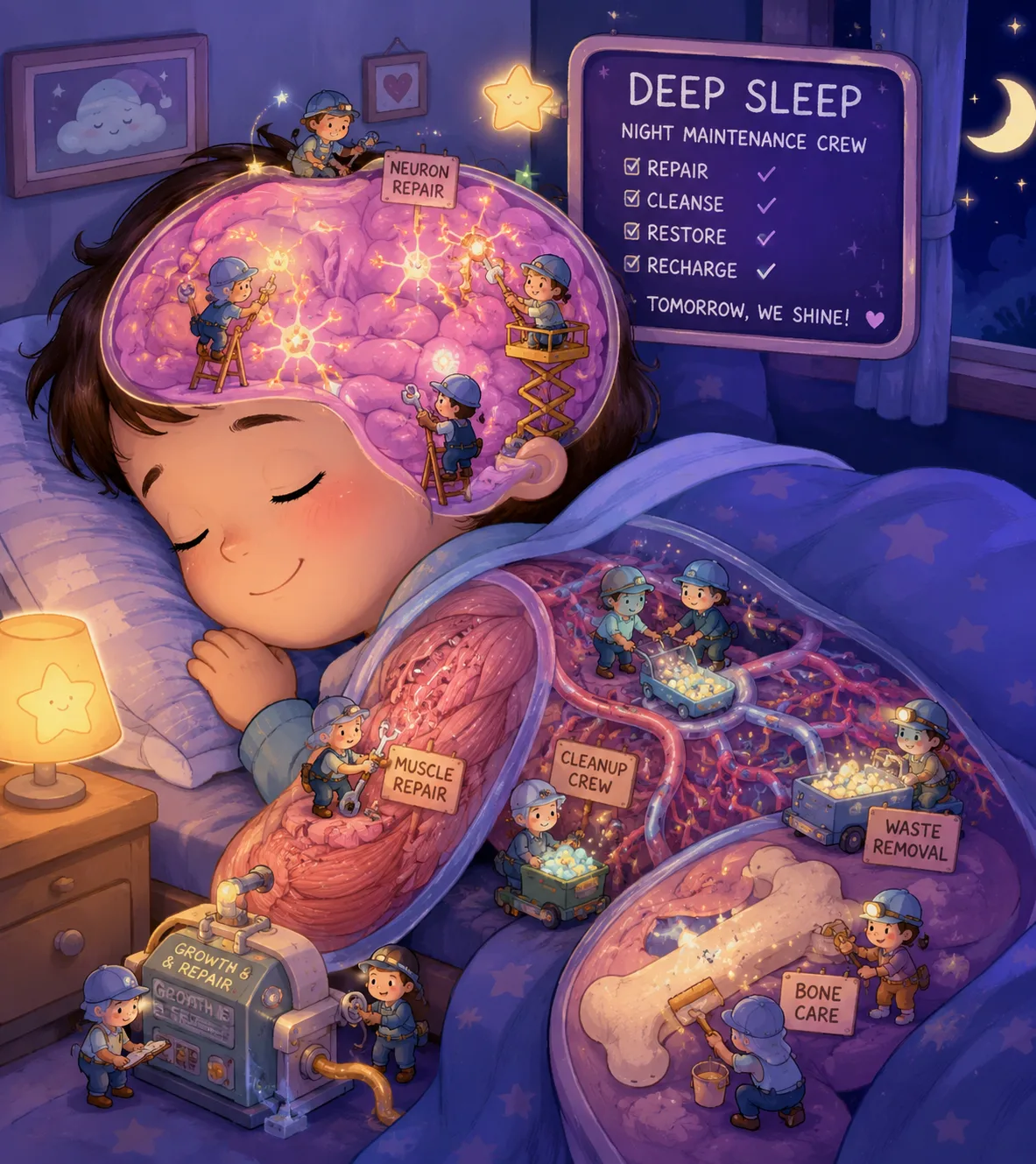
Deep sleep is where your body repairs tissues, strengthens the immune system, and restores energy. Without enough of it, your body doesn’t fully reset. So even if you sleep eight hours, you may still wake up feeling like you only got four.
Think of deep sleep as the “maintenance crew” of your body. If they don’t get enough time to work, the system starts the next day running on partial repairs.
Disruptions That Go Unnoticed During The Night
Sleep Apnea and Breathing Interruptions
One of the most common hidden causes of fatigue is sleep apnea. This condition causes brief pauses in breathing during sleep, often without the person realizing it. These interruptions can happen dozens or even hundreds of times per night, constantly pulling you out of deep sleep.
Even though you may not wake up fully, your brain senses the lack of oxygen and briefly alerts your body. These micro-arousals fragment your sleep, preventing proper recovery. According to health experts, conditions like sleep apnea are a major cause of daytime fatigue despite adequate sleep duration.
Micro-Awakenings You Don’t Remember
Not all sleep disruptions are dramatic. Some are so subtle that you don’t even notice them. These are called micro-awakenings, and they can be triggered by noise, temperature changes, stress, or even your sleeping position.
You might think you slept straight through the night, but your brain was actually waking up repeatedly. These interruptions break your sleep cycles, reducing the time spent in restorative stages.
It’s like trying to watch a movie while someone keeps pausing it every few minutes. You still see the whole film, but the experience feels fragmented and unsatisfying. Your brain experiences sleep the same way.
The Role Of Sleep Cycles In Restfulness
Understanding REM and Deep Sleep
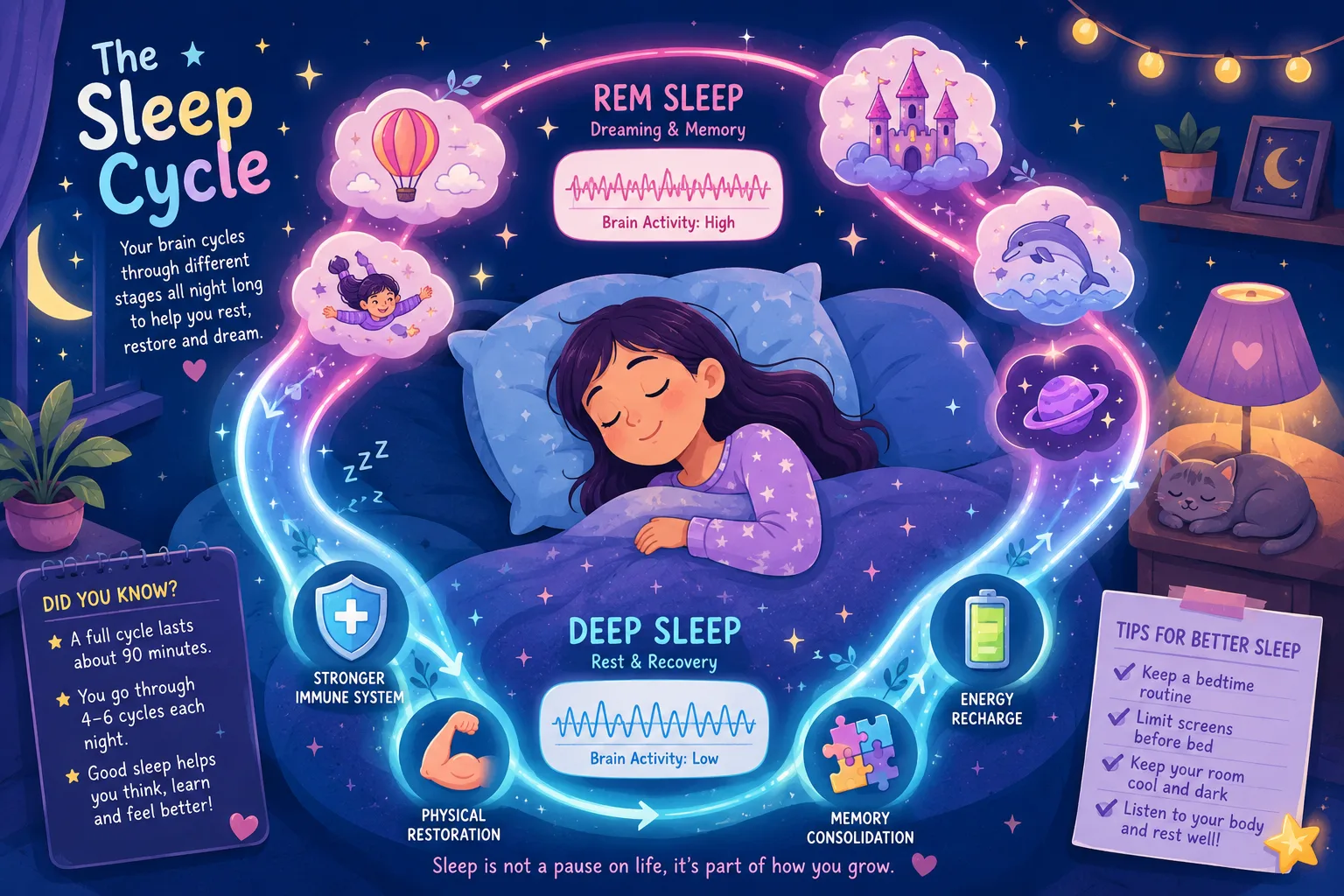
Sleep isn’t a flat, continuous state; it’s a cycle. Each night, your body moves through several stages, including light sleep, deep sleep, and REM (Rapid Eye Movement) sleep. Each stage plays a different role in recovery.
Deep sleep is responsible for physical restoration, while REM sleep supports memory, learning, and emotional processing. Experts suggest that even adults only need about 60–90 minutes of deep sleep, but it must be uninterrupted to be effective.
Why Interrupted Cycles Leave You Exhausted
If your sleep cycles are disrupted, your body can’t complete its natural rhythm. Imagine trying to bake a cake but opening the oven every five minutes; it never fully cooks. The same thing happens when your sleep is interrupted.
Even small disturbances can reset your cycle, forcing your body to start over repeatedly. This prevents you from reaching the deeper stages where true recovery happens. As a result, you wake up feeling groggy, sluggish, and mentally drained.
Lifestyle Factors That Affect Energy Levels
Screen Time and Blue Light Exposure
Late-night scrolling might feel harmless, but it’s one of the biggest enemies of quality sleep. Blue light from screens suppresses melatonin; the hormone that signals your body it’s time to sleep.
Research highlights that ongoing stimulation from devices keeps the brain alert, even when your body is trying to wind down. This delays sleep onset and reduces sleep depth, leaving you tired the next day.
Diet, Caffeine, and Alcohol Impact
What you consume before bed matters more than you think. Caffeine can stay in your system for hours, reducing deep sleep even if you fall asleep easily. Alcohol, while sedating at first, disrupts REM sleep and leads to fragmented rest.
Heavy meals late at night can also interfere with digestion and sleep quality. Your body ends up focusing on processing food instead of repairing itself.
Stress and Mental Overload
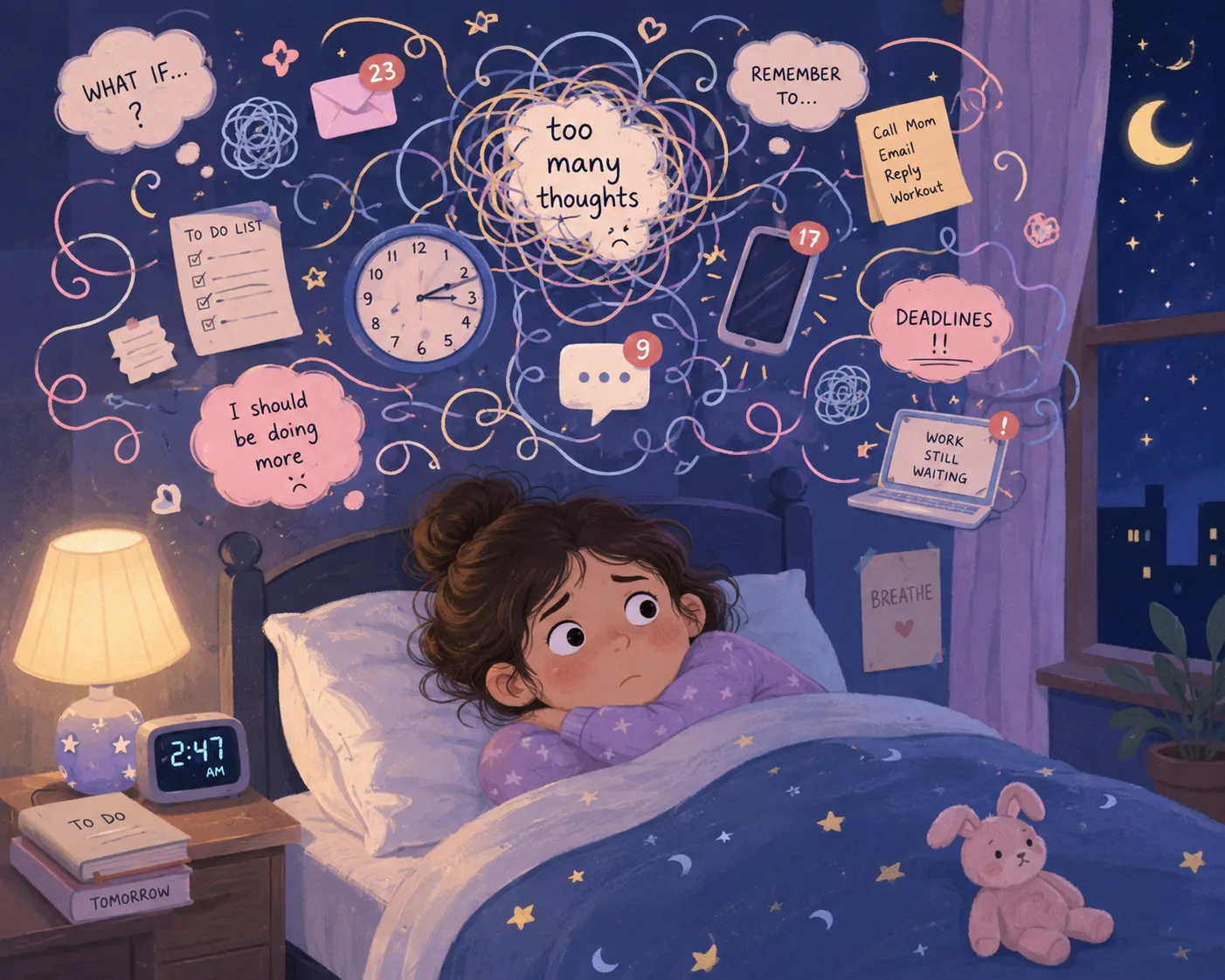
Stress is like background noise for your brain; it doesn’t always stop when you go to bed. Elevated cortisol levels keep your body in a semi-alert state, preventing deep relaxation.
Even if you fall asleep quickly, your brain may remain active, leading to lighter, less restorative sleep. Over time, this creates a cycle of fatigue that’s hard to break.
When Persistent Fatigue Signals Something More
Sleep Disorders and Medical Conditions
If you’re constantly tired despite good sleep habits, it might be more than just poor sleep quality. Conditions like insomnia, restless legs syndrome, and narcolepsy can significantly impact rest.
Sleep deprivation; whether from poor quality or insufficient sleep; can lead to serious health issues, including heart disease and weakened immunity.
Nutrient Deficiencies and Hormonal Imbalances
Sometimes, fatigue isn’t about sleep at all. Low levels of iron, vitamin B12, or vitamin D can affect energy production in your body. Hormonal imbalances, especially thyroid issues, can also cause persistent tiredness.
Your body is like a complex machine. If one part isn’t functioning properly, the whole system feels the impact.
Adjustments That Improve How You Feel
Improving Sleep Hygiene
Better sleep starts with better habits. This includes going to bed at the same time every night, avoiding screens before bed, and creating a relaxing bedtime routine.
Consistency helps regulate your internal clock, making it easier to fall asleep and stay asleep.
Read Next: What Happens When You Sleep On Your Arm Too Long
Creating a Sleep-Friendly Environment
Your bedroom should feel like a sanctuary for sleep. Keep it cool, dark, and quiet. Invest in a comfortable mattress and pillows that support your body.
Small changes; like blackout curtains or white noise; can make a big difference in sleep quality.

When to Seek Professional Help
If fatigue persists despite making changes, it’s worth consulting a healthcare professional. Sleep studies can identify hidden issues like sleep apnea or chronic insomnia.
Sometimes, the solution isn’t more sleep; it’s better sleep.
Conclusion
Feeling tired after eight hours of sleep isn’t as strange as it seems. The real issue often lies beneath the surface; in the quality of your sleep, the consistency of your cycles, and the hidden disruptions you never notice. Modern life has made it easier than ever to spend enough time in bed while still missing out on true rest.
When you shift your focus from how long you sleep to how well you sleep, everything starts to change. Small adjustments in lifestyle, environment, and habits can transform your nights; and your days.
FAQs
1. Why do I feel tired even after sleeping 8 hours every night?
Because sleep quality matters more than duration. Interrupted or shallow sleep prevents proper recovery.
2. How can I improve sleep quality naturally?
Maintain a consistent schedule, limit screen time, reduce caffeine, and create a relaxing bedtime routine.
3. Can sleep apnea cause fatigue even with enough sleep?
Yes, it disrupts breathing and fragments sleep, leading to poor rest.
4. How much deep sleep do I actually need?
Most adults need about 60–90 minutes of deep sleep for proper physical recovery.
5. When should I see a doctor about fatigue?
If tiredness persists for weeks despite good sleep habits, it may indicate an underlying health issue.